
I. Introduction
A. The Rise of Algorithmic Trading
- Increased market complexity and speed
- The need for advanced analytics and decision-making
B. Quant Capital's Success with AI-Powered Optimization
- "The AI is able to process and react to market data at speeds far beyond what our human traders can achieve." - Jane Doe, Chief Investment Officer, Quant Capital
- Implications for the hedge fund industry
II. The Challenges of Algorithmic Trading
A. Market Volatility and Unpredictability
- Rapid price movements and liquidity changes
- The limitations of traditional trading models
B. Execution Efficiency and Slippage
- The impact of order latency and market impact
- Optimizing trade execution for maximum profitability
C. Risk Management and Portfolio Rebalancing
- Identifying and mitigating trading risks
- Dynamic portfolio adjustments to changing market conditions
III. The Rise of AI-Powered Algorithmic Trading
A. Machine Learning and Deep Learning Techniques
- Supervised, unsupervised, and reinforcement learning
- Neural networks and their application in trading
B. Data-Driven Decision-Making
- Leveraging vast amounts of market data
- Extracting meaningful insights and patterns
C. Adaptive and Self-Improving Algorithms
- Continuous learning and model refinement
- Responding to market changes in real-time
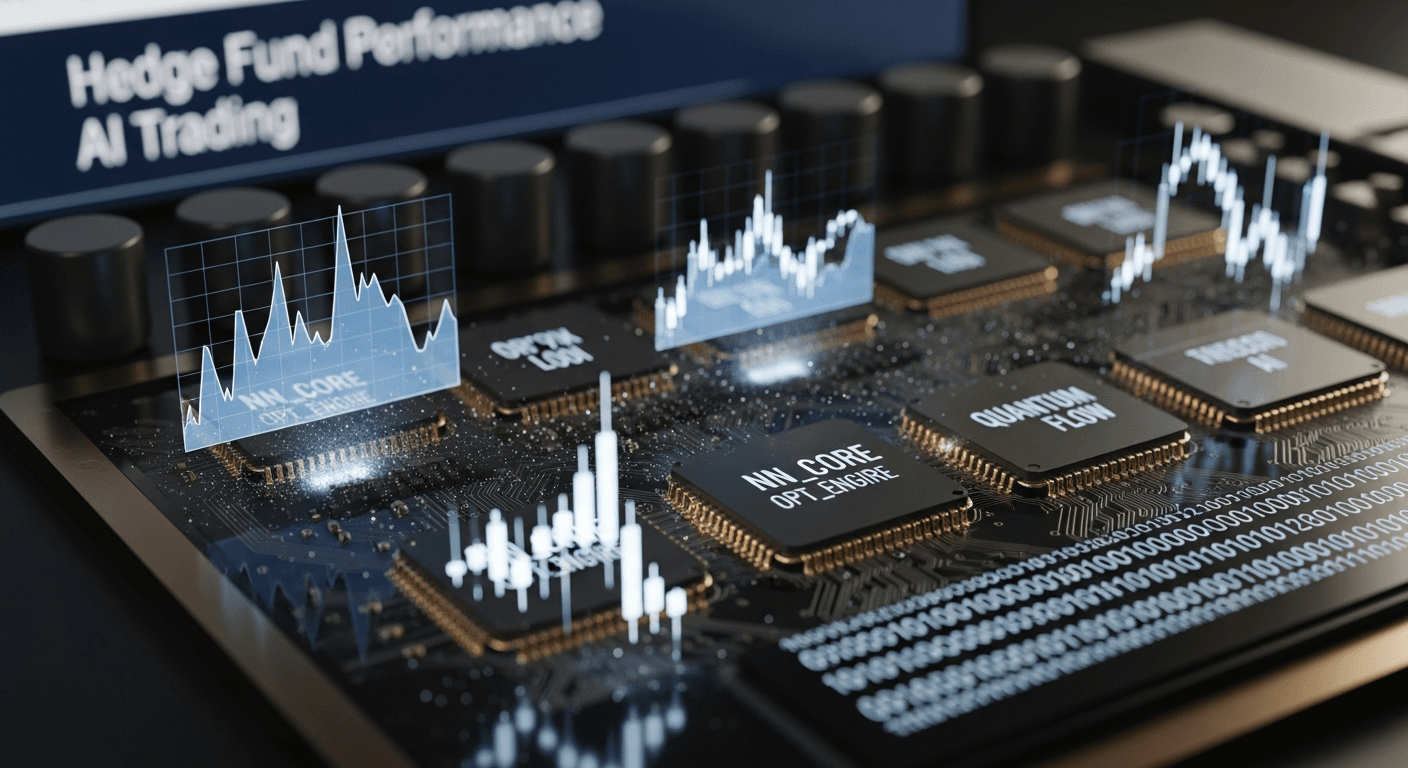
IV. Implementing AI-Powered Algorithmic Trading
A. Data Acquisition and Preprocessing
- Integrating multiple data sources
- Cleaning, normalizing, and structuring data
B. Model Development and Optimization
- Feature engineering and algorithm selection
- Backtesting and performance evaluation
C. Deployment and Monitoring
- Integrating AI systems with trading platforms
- Ongoing performance monitoring and adjustment
V. The Benefits of AI-Powered Algorithmic Trading
A. Improved Trading Efficiency and Profitability
- Faster decision-making and execution
- Reduced trading costs and increased returns
B. Enhanced Risk Management and Portfolio Optimization
- Identifying and mitigating trading risks
- Optimizing portfolio composition and allocation
C. Competitive Advantages and Industry Implications
- Increased market share and client retention
- The potential for industry-wide disruption
VI. Ethical Considerations and Regulatory Challenges
A. Transparency and Accountability in AI-Driven Trading
- Explainable AI and the "black box" problem
- Regulatory oversight and compliance requirements
B. Potential Risks and Unintended Consequences
- Market manipulation and systemic instability
- The impact on employment and job displacement
VII. Conclusion
A. Recap of Key Findings B. Future Outlook and Trends C. Final Thoughts and Recommendations
Subscribe to the Briefing
Continue accelerating your intelligence with unfiltered ROI tracking, tool benchmarks, and architectural implementation drops.