The Future of Healthcare: AI-Assisted Surgical Robotics
An analysis of AI-Assisted Surgical Robotics
I. Introduction
The world of healthcare is undergoing a profound transformation, fueled by the rapid advancements in surgical robotics. At the forefront of this revolution is the integration of artificial intelligence (AI) into these cutting-edge systems, ushering in a new era of precision, efficiency, and improved patient outcomes.
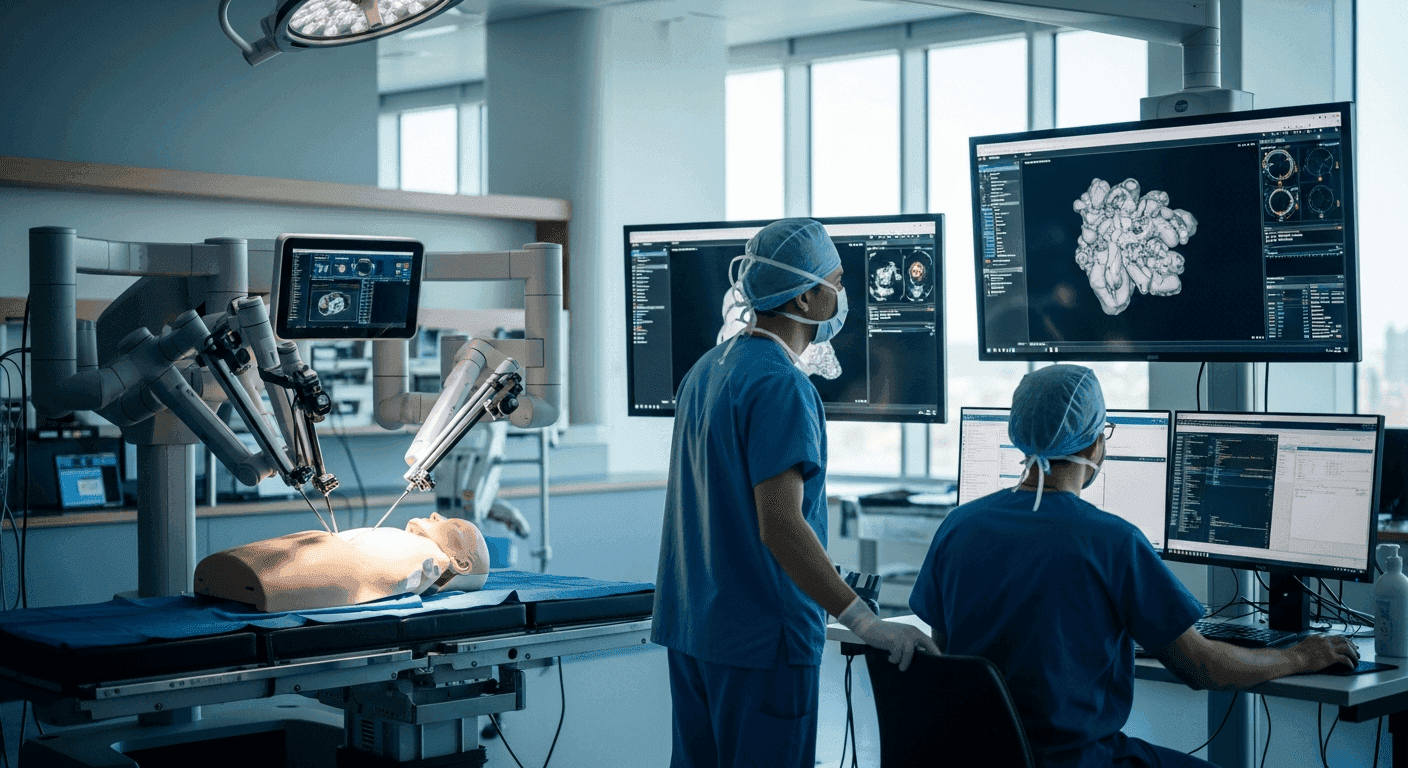
Recently, Robotics Inc., a leading innovator in the field, unveiled its latest AI-powered surgical robot, capturing the attention of the medical community and promising to redefine the landscape of healthcare. This groundbreaking technology represents a significant leap forward, blending the precision of robotics with the decision-making capabilities of AI, and signaling a future where human surgeons and intelligent machines work in seamless harmony.
As we delve into the intricacies of this transformative technology, it becomes clear that AI-assisted surgical robotics hold the potential to reshape the very foundations of healthcare, from enhancing surgical precision to expanding the boundaries of what is possible in the operating room.
II. The Rise of AI-Powered Surgical Robotics
A. Brief history of surgical robotics
The concept of surgical robotics is not entirely new, with pioneers in the field laying the groundwork for the advancements we witness today. In the 1980s, researchers began exploring the potential of robotic systems to assist in medical procedures, with landmark developments like the PUMA 560 robot, which was used in neurosurgical biopsies, and the da Vinci Surgical System, which revolutionized minimally invasive surgeries.
These early systems, while groundbreaking, were limited in their capabilities, relying primarily on the dexterity and decision-making of human surgeons. However, the rapid evolution of AI and associated technologies has ushered in a new era, where surgical robots are no longer mere tools, but intelligent partners in the operating room.
B. Emergence of AI integration
The integration of AI into surgical robotics has been driven by advancements in several key areas, including computer vision, machine learning, and autonomous decision-making. These technological breakthroughs have enabled surgical robots to perceive their surroundings with unprecedented accuracy, make informed decisions based on real-time data, and execute complex maneuvers with a level of precision that surpasses human capabilities.
By combining the dexterity and precision of robotic systems with the cognitive capabilities of AI, healthcare providers can now access a transformative tool that promises to enhance surgical outcomes, reduce complications, and ultimately save lives.
III. Robotics Inc.'s Groundbreaking System
A. Technical specifications and key features
At the heart of this AI-driven revolution is Robotics Inc.'s latest surgical system, which has been designed to redefine the standard of care in healthcare. This cutting-edge platform boasts a suite of precision instruments, advanced sensors, and AI-driven decision-making capabilities that work in seamless harmony to deliver unparalleled surgical precision.
The system's sophisticated computer vision algorithms and machine learning models enable it to accurately map the patient's anatomy, identify critical structures, and plan the optimal surgical approach. Its autonomous capabilities allow it to execute delicate maneuvers with a level of steadiness and accuracy that far surpasses human hands, reducing the risk of complications and improving patient outcomes.
Furthermore, the system's integration with hospital workflows ensures a seamless and efficient surgical experience, allowing healthcare teams to focus on patient care rather than navigating complex technology.
B. Clinical validation and early adoption
The transformative potential of Robotics Inc.'s AI-powered surgical system has not gone unnoticed. In a recent interview, Dr. Michael Chen, Chief of Surgery at XYZ Hospital, expressed his enthusiasm for the technology, stating, "AI-powered surgical robotics represent the future of healthcare. We're excited to offer this cutting-edge technology to our patients, delivering better outcomes and saving lives."
Indeed, early clinical trials and case studies have demonstrated the system's ability to enhance precision, reduce procedure times, and improve patient recovery rates. Leading healthcare institutions have already begun to adopt this revolutionary technology, recognizing its potential to transform the way complex surgical procedures are performed.
IV. The Impact on Surgical Procedures
A. Enhanced precision and accuracy
One of the most significant advantages of AI-assisted surgical robotics is the remarkable level of precision and accuracy they bring to the operating room. By leveraging advanced sensors, computer vision, and machine learning algorithms, these systems can map the patient's anatomy in exquisite detail, identify critical structures, and execute delicate maneuvers with a level of steadiness that surpasses human capabilities.
This enhanced precision translates to reduced human error and variability, allowing surgeons to access hard-to-reach anatomical areas with greater confidence and improved outcomes. As a result, patients can expect reduced complications, faster recovery times, and better long-term prognoses.
B. Increased efficiency and productivity
AI-powered surgical robots also offer significant gains in efficiency and productivity, benefiting both healthcare providers and patients. By automating repetitive tasks and reducing fatigue for surgical teams, these systems can shorten procedure times, allowing for more procedures to be performed in a given timeframe.
Moreover, the enhanced decision-making capabilities of AI-driven robots enable them to anticipate potential complications, adjust their approach in real-time, and optimize workflow, further streamlining the surgical process and improving overall productivity.
C. Expanded surgical capabilities
The integration of AI into surgical robotics has the potential to expand the boundaries of what is possible in the operating room. These intelligent systems can tackle increasingly complex, minimally invasive procedures with greater precision and control, opening the door to novel surgical interventions that were previously deemed too risky or technically challenging.
Furthermore, the potential for remote and telesurgery, enabled by the AI-driven decision-making and autonomous capabilities of these robots, could revolutionize healthcare delivery, particularly in underserved or remote regions, where access to specialized medical care is limited.\
V. Ethical Considerations and Regulatory Landscape
A. Addressing concerns about AI-driven decision-making
As the healthcare industry embraces the transformative potential of AI-assisted surgical robotics, there are understandable concerns regarding the transparency and accountability of these intelligent systems. Healthcare providers and patients alike must have confidence in the decision-making processes of these robots, ensuring that they are aligned with ethical principles and medical best practices.
Addressing these concerns will require a collaborative effort between technology developers, healthcare institutions, and regulatory bodies to establish clear guidelines and frameworks for the responsible deployment of AI-powered surgical systems. Transparency in the algorithms, rigorous testing, and ongoing monitoring will be essential in building trust and ensuring the safe integration of this technology into clinical practice.
B. Regulatory frameworks and approval processes
The regulatory landscape surrounding AI-assisted surgical robotics is rapidly evolving, with governing bodies such as the FDA and their international counterparts working to establish appropriate frameworks and approval processes. These regulatory bodies must balance the need for innovation and patient safety, ensuring that the deployment of these advanced systems is accompanied by robust clinical validation, risk assessment, and ongoing oversight.
As the technology continues to advance, the regulatory landscape will likely adapt, with the potential for new guidelines and approval pathways tailored to the unique challenges and opportunities presented by AI-powered surgical robotics. Navigating this evolving landscape will be crucial for healthcare providers and technology developers alike, as they work to bring these transformative tools to the forefront of modern medicine.
VI. The Future of AI-Assisted Surgical Robotics
A. Continued advancements in AI and robotic technologies
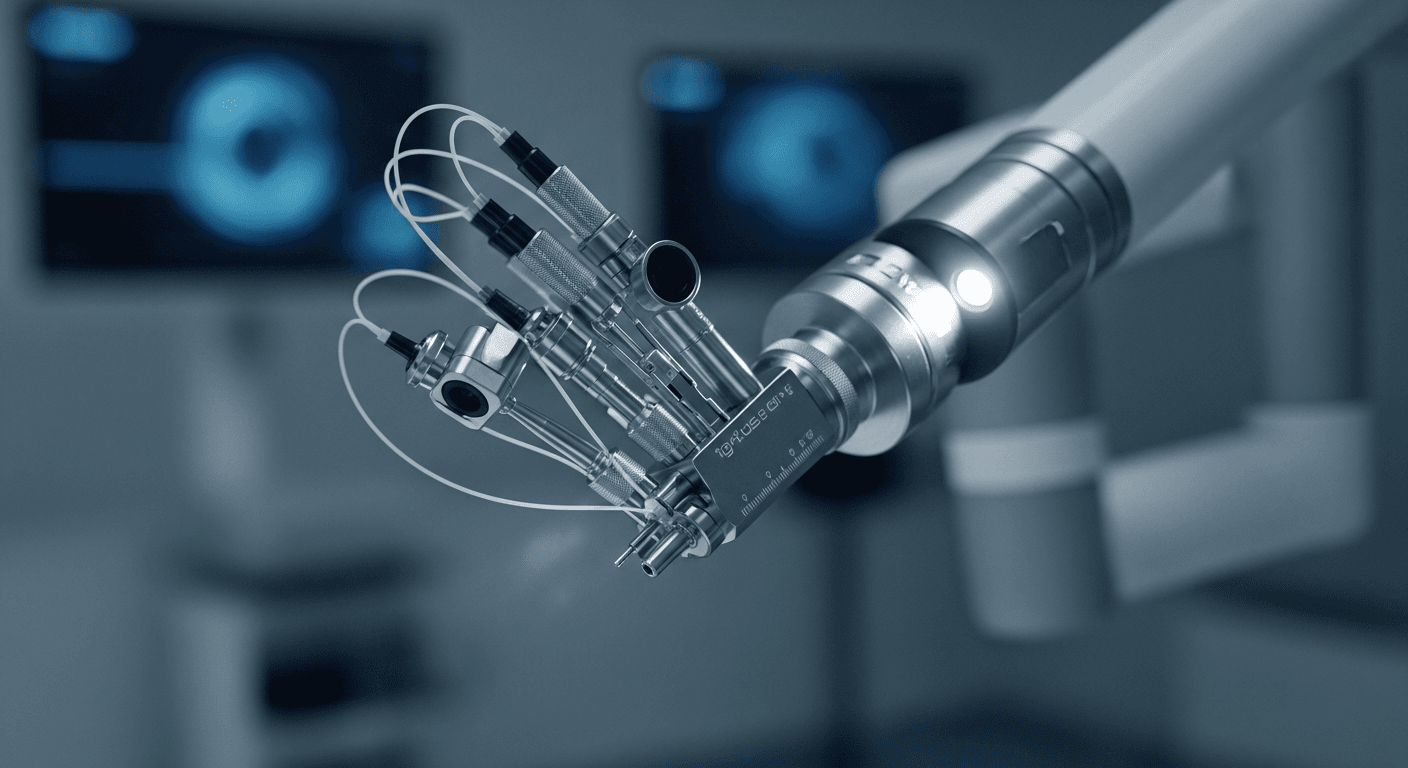
As the integration of AI and surgical robotics continues to evolve, we can expect to see further advancements that will push the boundaries of what is possible in the operating room. Increased autonomy, enhanced adaptability, and deeper integration with digital healthcare ecosystems will be key drivers of this transformation.
Surgical robots may one day operate with minimal human intervention, leveraging AI-driven decision-making to adapt to changing conditions and execute complex procedures with unparalleled precision. Furthermore, the seamless integration of these systems with electronic health records, diagnostic imaging, and other digital healthcare tools will enable a more holistic, data-driven approach to patient care.
B. Potential impact on the broader healthcare industry
The widespread adoption of AI-assisted surgical robotics has the potential to reverberate across the entire healthcare industry, driving significant cost savings, improving access to specialized care, and transforming the way medical professionals are trained and educated.
By enhancing surgical outcomes, reducing complications, and streamlining workflow, these intelligent systems can help healthcare providers optimize the use of resources, ultimately leading to cost savings that can be passed on to patients. Moreover, the potential for remote and telesurgery could expand access to advanced medical care, particularly in underserved or rural areas, bridging the gap between specialized expertise and patient needs.
In the realm of medical education, AI-powered surgical robotics may revolutionize the way aspiring surgeons are trained, providing them with opportunities to hone their skills in a simulated environment and gain hands-on experience with cutting-edge technologies before entering the operating room.
C. Conclusion: Embracing the transformative potential of AI-powered surgical robotics
As we stand at the cusp of this technological revolution, the future of healthcare has never been brighter. The integration of AI into surgical robotics represents a pivotal moment, one that holds the promise of enhanced precision, improved patient outcomes, and a transformation in the very way we approach complex medical procedures.
By embracing this transformative technology and navigating the ethical and regulatory landscape with foresight and diligence, the healthcare industry can unlock a new era of healthcare delivery, where human surgeons and intelligent machines work in seamless harmony to save lives and improve the well-being of patients around the world.
About the Author: Aaron Mills is the Editor-in-Chief at Executive AI Report. Aaron is also the CEO of Automarka Digital.
Subscribe to the Briefing
Continue accelerating your intelligence with unfiltered ROI tracking, tool benchmarks, and architectural implementation drops.