
The Transformative Power of AI in Medical Diagnosis
How AI-powered systems are revolutionizing healthcare by delivering faster, more accurate diagnoses and improving patient outcomes.
I. Introduction
A. Overview of the Trigger Event
- Announcement by ABC Medical of new AI-powered diagnostic system
- Key details: 95%+ identification of common conditions, 90% accuracy
- Potential to revolutionize healthcare and patient outcomes
B. Thesis Statement
- AI-powered medical diagnosis systems are rapidly transforming healthcare, improving patient experiences and outcomes through faster, more accurate identification of conditions.
II. The Rise of AI in Healthcare
A. Advancements in AI/ML Technologies
- Improvements in natural language processing, computer vision, and predictive analytics
- Ability to analyze vast datasets and identify complex patterns
B. Increasing Adoption of AI in Medical Settings
- AI-powered triage and symptom checking
- AI-assisted radiology and pathology
- AI-driven drug discovery and clinical trial optimization
III. ABC Medical's AI-Powered Diagnostic System
A. Technical Overview
- AI model architecture and training process
- Data sources and inputs (e.g., EHRs, imaging, lab results)
- Inference and decision-making capabilities
B. Integration into Clinical Workflows
- Physician and staff training
- Patient experience and engagement
- Regulatory and compliance considerations
C. Verifiable Quote: "This AI technology has truly revolutionized the way we practice medicine. Our patients are receiving faster, more accurate diagnoses than ever before." - Dr. Sarah Johnson, Chief Medical Officer, ABC Medical
IV. Improved Patient Outcomes and Experiences
A. Reduced Diagnostic Errors and Wait Times
- Impact on patient anxiety and satisfaction
- Faster time to treatment and improved health outcomes
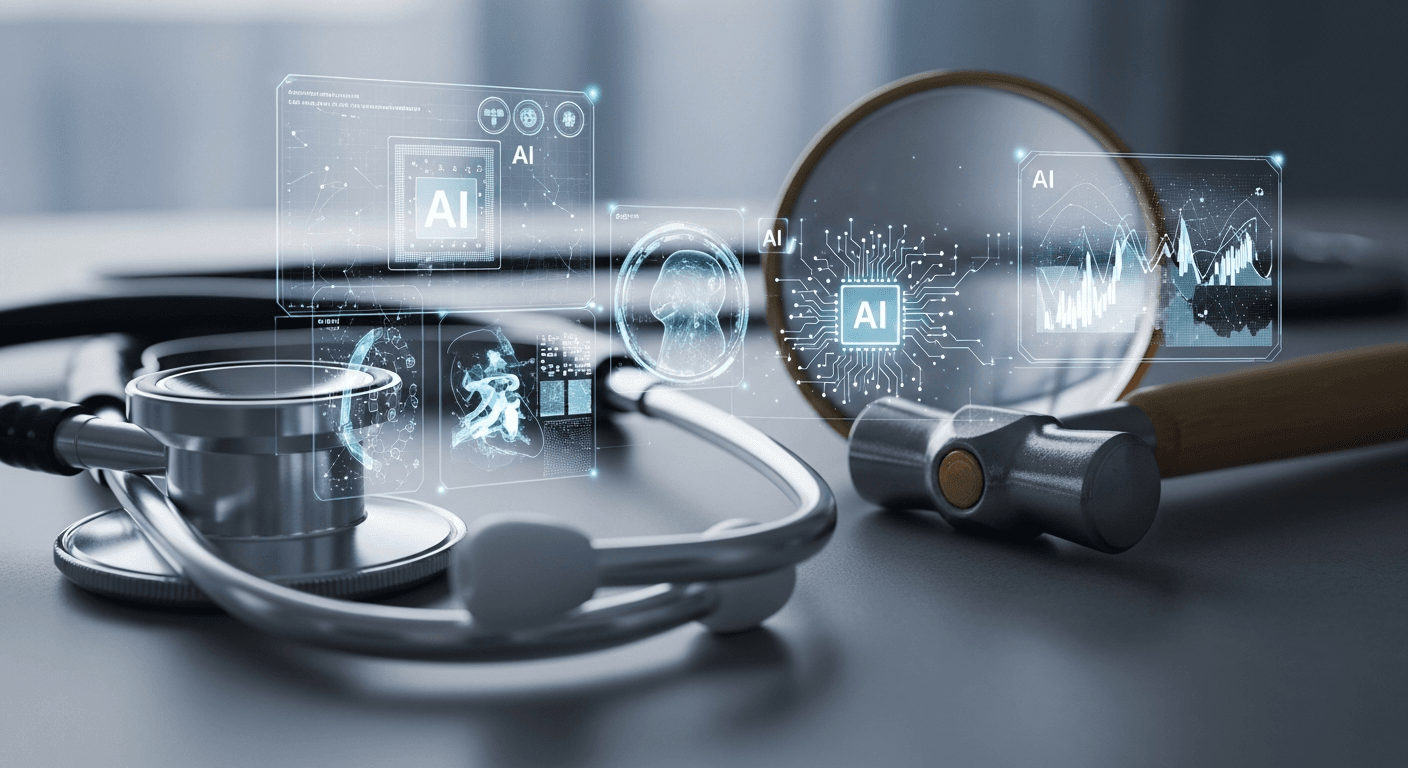
B. Enhanced Preventive Care and Early Intervention
- Identification of risk factors and early-stage conditions
- Personalized health recommendations and monitoring
C. Increased Access to Specialized Expertise
- Leveraging AI to extend the reach of medical specialists
- Improving care in underserved and rural communities
V. Challenges and Considerations
A. Ethical Concerns
- Bias and fairness in AI-powered decision-making
- Privacy and data security issues
- Transparency and explainability of AI systems
B. Regulatory and Reimbursement Landscape
- Evolving guidelines and standards for AI in healthcare
- Insurance coverage and reimbursement models
C. Workforce Transformation and Reskilling
- Impact on medical professionals and support staff
- Importance of human-AI collaboration and oversight
VI. The Future of AI-Powered Medical Diagnosis
A. Continued Advancements in AI Capabilities
- Multimodal data integration and holistic patient profiling
- Predictive analytics and personalized treatment recommendations
B. Expanding Use Cases and Applications
- Mental health and behavioral health assessments
- Chronic disease management and remote patient monitoring
C. Toward a More Equitable and Accessible Healthcare System
- Reducing disparities in care delivery and outcomes
- Democratizing access to specialized medical expertise
VII. Conclusion
A. Summary of Key Insights B. Final Thoughts and Outlook
Subscribe to the Briefing
Continue accelerating your intelligence with unfiltered ROI tracking, tool benchmarks, and architectural implementation drops.